
Are Biohacks Improving Your Health?
At one point, I was all-in on biohacking.
I had cabinets full of supplements. I purchased specialty blood tests that weren't ordered through my primary care physician. I experimented with fasting, cleanses, alkaline water, elimination diets, and various health protocols that promised better energy, improved recovery, and optimal health.
Some of these strategies seemed promising. Others were expensive. Most delivered far less than advertised.
As a sports chiropractor and rehab professional, I've now had the opportunity to work with hundreds of patients and hear similar stories. Many people spend years searching for the perfect supplement, diet, or health hack while overlooking the habits that have the greatest impact on their health.
If you're looking for the best biohacks for health, longevity, injury prevention, and quality of life, the answer may be much simpler than you think.
If you are an athlete or active adult in South-Central Michigan, you have likely experienced the frustration of traditional healthcare. You visit a provider for a nagging injury, only to be told to stop training, take some pills, and perform generic stretches that do not seem to help. At Build Beyond Health, we believe you deserve better.
Our performance-driven approach to chiropractic care and manual therapy in Hillsdale, MI is designed to keep you moving while we address the root cause of your pain. Being sidelined is not an option, and we treat it that way.
The Problem With Modern Biohacking
The health and wellness industry is full of products and protocols that promise dramatic results.
People are frequently told they have:
- Leaky gut
- Adrenal fatigue
- Mold toxicity
- Hormonal imbalances
- Food sensitivities
- Hidden nutrient deficiencies
In many cases, they are given expensive supplements, cleanses, detox programs, or highly restrictive diets.
To be clear, I'm not saying every alternative health approach is wrong. However, many popular biohacking strategies have limited evidence supporting their effectiveness, especially compared to more established health behaviors.
The bigger issue is that many people pursue these interventions without first addressing the fundamentals.
It's like stepping over $100 bills to pick up pennies.
The Best Biohack: Move More Every Day
If I could recommend only one health intervention to most people, it would be increasing daily physical activity.
Why Daily Movement Matters
Research consistently shows that regular movement is associated with:
- Reduced risk of heart disease
- Improved metabolic health
- Better mental health
- Lower mortality rates
- Improved mobility and independence
One of the easiest ways to track physical activity is through daily step counts.
How Many Steps Should You Take Per Day?
Most people benefit from aiming for approximately 6,000 to 12,000 steps per day.
The exact number matters less than improving from your current baseline.
If you're averaging 3,000 steps per day, increasing to 5,000 may provide significant benefits. If you're already active, your target may be higher.
The goal isn't perfection.
The goal is progress.
Benefits of Cardio Exercise
Regular cardiovascular exercise may help:
- Improve heart health
- Increase energy levels
- Improve endurance
- Support weight management
- Reduce disease risk
Examples include:
- Walking
- Running
- Cycling
- Swimming
- Rowing
- Hiking
You don't have to become a marathon runner.
You simply need to challenge your cardiovascular system consistently.
Strength Training Is One of the Most Powerful Health Tools Available
Many people think strength training is only for athletes or bodybuilders.
In reality, maintaining muscle mass and strength becomes increasingly important as we age.
Why Strength Matters
Strength training helps:
- Preserve muscle mass
- Maintain bone density
- Improve balance
- Reduce injury risk
- Support healthy aging
- Improve quality of life
For most adults, strength training two to three times per week is an excellent starting point.
Functional Strength Matters
You don't need to deadlift hundreds of pounds.
Instead, ask yourself:
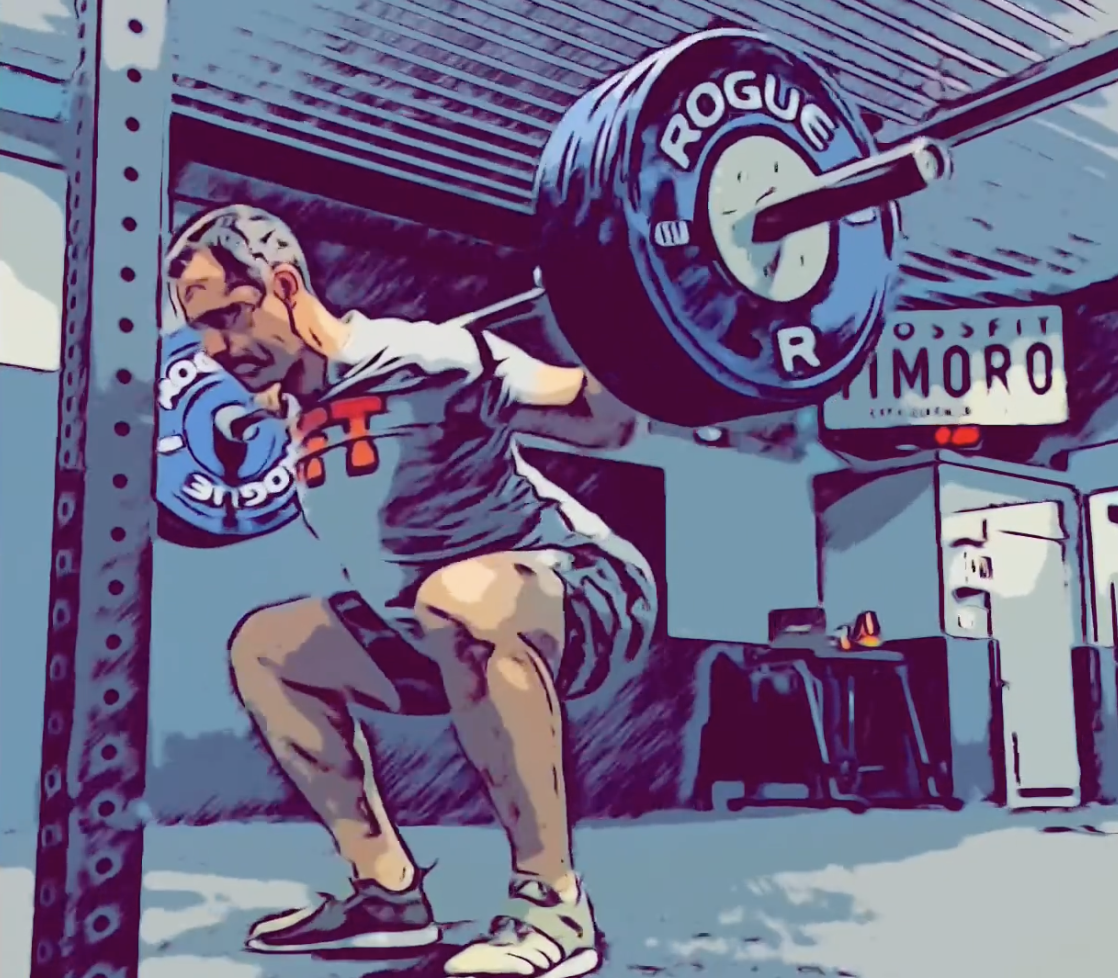
- Can you squat below parallel?
- Can you sit on the floor and stand back up?
- Can you take a knee and get back up?
- Can you lunge comfortably?
- Can you pick up a heavy object from the ground?
- Can you push and pull with your upper body?
These aren't athletic skills.
They're life skills.
Maintaining these abilities helps preserve independence, mobility, and confidence as you age.
Sleep: The Most Underrated Biohack
If movement is the foundation of physical health, sleep is the foundation of recovery.
Sleep affects nearly every system in the body.
Benefits of Quality Sleep
Good sleep supports:
- Physical recovery
- Hormone regulation
- Immune function
- Mental health
- Memory and learning
- Pain management
Unfortunately, many people try to compensate for poor sleep with caffeine, supplements, or other quick fixes.
There is no substitute for adequate sleep.
How to Improve Sleep Quality
Simple strategies include:
- Maintaining a consistent bedtime
- Reducing screen exposure before bed
- Limiting bright light at night
- Creating a cool, dark sleeping environment
- Managing stress
You cannot out-supplement poor sleep.
Nutrition Doesn't Need to Be Complicated
Nutrition is often presented as an endless debate between competing diets.
Keto versus vegan.
Carnivore versus plant-based.
Low-carb versus low-fat.
While these discussions can be interesting, most healthy diets share several common characteristics.
Focus on Calorie Balance
One of the biggest contributors to poor health is chronic overconsumption of calories.
Many people improve their health not because they find the perfect diet but because they consume an appropriate amount of food.
Prioritize Whole Foods
Building meals around minimally processed foods can make calorie control easier.
Examples include:
- Fruits
- Vegetables
- Beans
- Legumes
- Lean meats
- Fish
- Eggs
- Dairy products
- Whole grains
- Eat More Protein
Protein helps:
- Maintain muscle mass
- Support recovery
- Increase satiety
- Improve body composition
- Eat More Fiber
Fiber-rich foods may help:
- Improve digestive health
- Increase fullness
- Support blood sugar regulation
- Improve overall nutrition quality
Many high-fiber foods also provide vitamins, minerals, and additional protein.
Are Processed Foods Always Bad?
Not necessarily.
Protein powder, Greek yogurt, and frozen vegetables are technically processed foods.
The problem isn't processing itself.
The problem is that many ultra-processed foods are:
- High in added sugars
- High in calories
- Low in protein
- Low in fiber
- Easy to overconsume
The goal is not dietary perfection.
The goal is to make healthy choices easier and more consistent.
Stress Management Is a Health Essential
Stress influences nearly every aspect of health.
Chronic stress affects:
- Sleep quality
- Food choices
- Recovery
- Relationships
- Physical activity levels
- Pain perception
Ignoring stress while trying to improve health is like rowing a boat with one oar.
Healthy Ways to Manage Stress
Different strategies work for different people.
Examples include:
- Prayer and faith
- Counseling
- Meditation
- Time outdoors
- Strong social relationships
- Hobbies and recreation
- Regular exercise
Personally, my faith has been one of the most powerful tools for managing stress and maintaining perspective.
Others may find different approaches more meaningful.
The important thing is having a strategy.
Your Environment Shapes Your Health
Many people believe they lack motivation.
In reality, they often have an environment problem.
Consider:
- Are healthy foods readily available?
- Do your friends support healthy behaviors?
- Does your daily routine encourage movement?
- Are you surrounded by chronic stressors?
Your environment can make healthy choices easier or harder.
Whenever possible, design your environment to support your goals.
Stop Looking for Shortcuts
The health and wellness industry thrives on promising shortcuts.
But most of the time, the biggest opportunities for improvement are not hidden in a supplement bottle or expensive health gadget.
They're found in the fundamentals.
If you're struggling with your health, ask yourself:
- Am I moving enough?
- Am I strength training consistently?
- Am I doing cardiovascular exercise?
- Am I getting quality sleep?
- Am I eating mostly whole foods?
- Am I managing stress effectively?
If the answer is no to several of these questions, that's where you should start.
The Bottom Line: The Best Biohacks Are Boring
The most effective health strategies are often the least exciting.
Move more.
Strength train.
Do cardio.
Sleep well.
Eat mostly whole foods.
Manage stress.
Build a supportive environment.
These habits may not generate headlines, but they consistently produce results.
Before chasing the next supplement, cleanse, detox, or health trend, make sure you've mastered the fundamentals.
Because when it comes to health, most people are stepping over $100 bills to pick up pennies.
Your Next Step Toward Lasting Results
If you are tired of temporary fixes and are ready for a provider who understands your athletic goals, Build Beyond Health in Hillsdale, MI offers the expert guidance, one-on-one attention, and performance-based environment you need to move forward with confidence.
Ready to stop settling and start building beyond your current limitations? Visit Build Beyond Health to schedule your discovery call or book your initial assessment.
