If you've been told you have tendonitis and you've been dealing with pain for months—or even years—you may have been given incomplete advice.
Many people are told to rest, ice the area, take anti-inflammatory medication, and wait for the pain to go away. While those strategies may temporarily reduce symptoms, they often fail to address the real reason tendon pain keeps coming back.
In this article, you'll learn:
- What tendonitis actually is
- Why tendon pain becomes chronic
- The stages of tendon injury
- The best evidence-based approach to tendon rehab
- When to seek professional help
If you are an athlete or active adult in South-Central Michigan, you have likely experienced the frustration of traditional healthcare. You visit a provider for a nagging injury, only to be told to stop training, take some pills, and perform generic stretches that do not seem to help. At Build Beyond Health, we believe you deserve better.
Our performance-driven approach to chiropractic care and manual therapy in Hillsdale, MI is designed to keep you moving while we address the root cause of your pain. Being sidelined is not an option, and we treat it that way.
What Is Tendonitis?
A tendon is the tissue that connects muscle to bone.
When a tendon becomes painful, the diagnosis is often labeled as "tendonitis." The suffix "-itis" implies inflammation or swelling. However, modern research suggests that inflammation is usually not the primary driver of long-term tendon pain.
While swelling may be present, chronic tendon pain often involves structural and cellular changes within the tendon itself rather than simple inflammation.
This distinction matters because treatment focused only on reducing inflammation may fail to solve the underlying problem.
Common Tendon Problems
Examples include:
- Achilles tendon pain
- Patellar tendon pain (jumper's knee)
- Tennis elbow
- Golfer's elbow
- Rotator cuff tendinopathy
- Hamstring tendinopathy
These conditions are typically classified as overuse injuries.
What Does Tendon Pain Feel Like?
People with tendon problems often report a predictable pattern:
Early Symptoms
- Pain during exercise
- Pain immediately after activity
- Pain the following morning
- Pain that improves with rest
Common Athletic Presentation
- Many athletes notice:
- Pain at the start of activity
- Symptoms improve as they warm up
- Pain returns after exercise
- Ability to "play through" symptoms in the early stages
The pain is often very localized. Most people can point directly to the painful spot.
Why Does Tendonitis Keep Coming Back?
One of the biggest misconceptions about tendon pain is that it is simply a swelling problem.
If swelling were the primary issue, rest and anti-inflammatory treatments would consistently solve the problem.
Instead, many people experience:
- Recurrent flare-ups
- Months or years of symptoms
- Difficulty returning to sports
- Pain that repeatedly returns when training resumes
This occurs because the tendon often undergoes structural adaptations that require progressive loading—not just symptom management.
The 3 Stages of Tendon Pathology
Researchers commonly describe tendon problems as progressing through a continuum.
Stage 1: Reactive Tendinopathy
This is typically seen in younger athletes.
Characteristics include:
- Short-term tendon thickening
- Response to increased workload
- Early-stage overload
The tendon is attempting to adapt to stress.
Stage 2: Tendon Disrepair
As overload continues:
- Cellular changes increase
- Tendon structure becomes less organized
- Symptoms become more persistent
This stage is often difficult to distinguish from the reactive stage clinically.
Stage 3: Degenerative Tendinopathy
This is the stage most commonly seen in middle-aged active adults and recreational athletes.
Characteristics include:
- Long-standing tendon pain
- Localized tenderness
- Areas of tendon thickening
- Structural changes within portions of the tendon
Importantly, "degenerative" does not mean the tendon is falling apart.
Many healthy areas remain within the tendon, and those healthy areas can still respond positively to exercise and rehabilitation.
Can Tendons Heal?
Yes—but not in the way many people expect.
The goal is not necessarily to restore the tendon to its exact original state.
Instead, the goal is to:
- Improve load tolerance
- Reduce pain
- Improve function
- Return to activity safely
- Increase the tendon's capacity to handle stress
A well-designed rehab program helps the tendon adapt to the demands placed upon it.
The Best Exercise Progression for Tendon Rehab
Evidence-based tendon rehabilitation generally follows a progressive loading model.
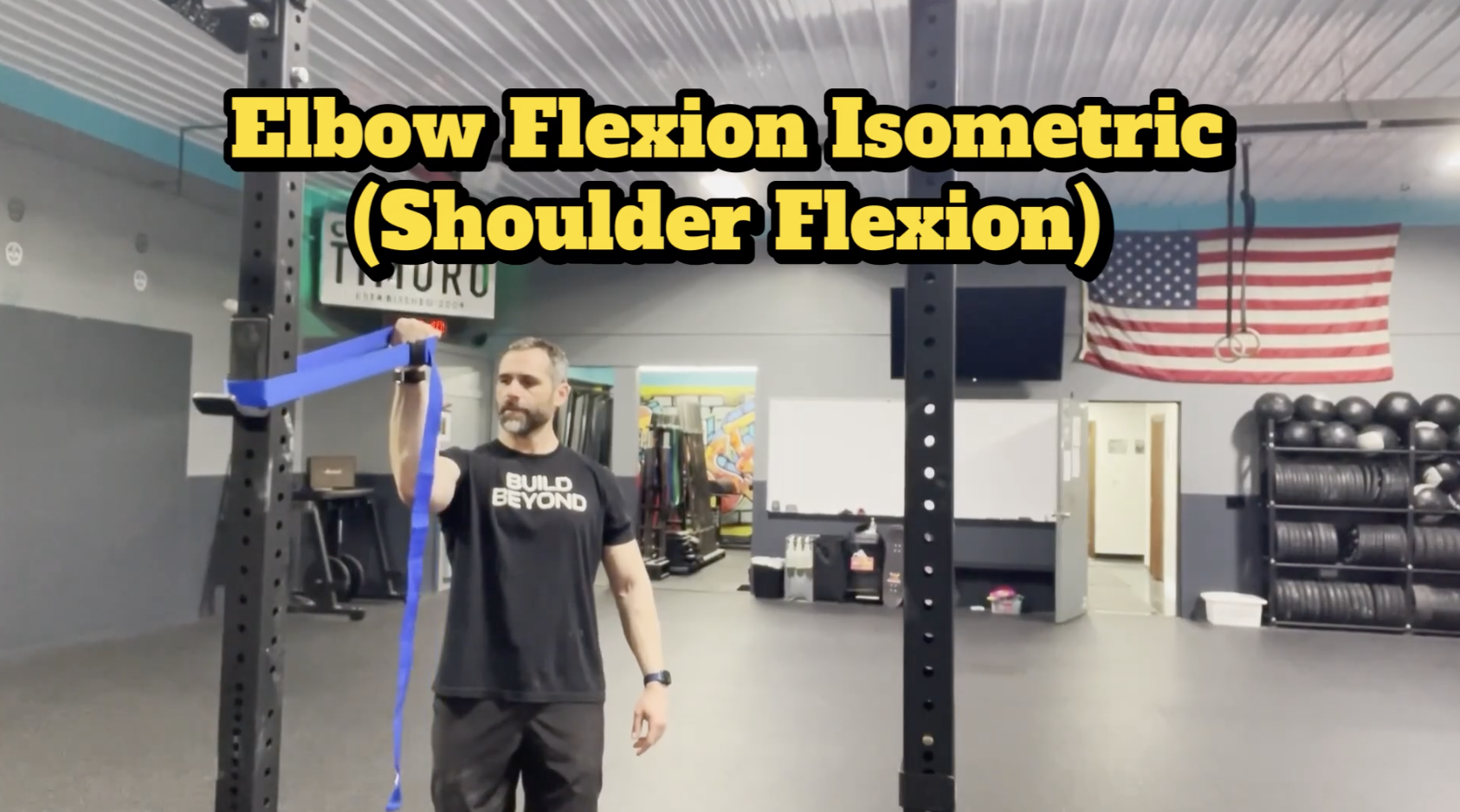
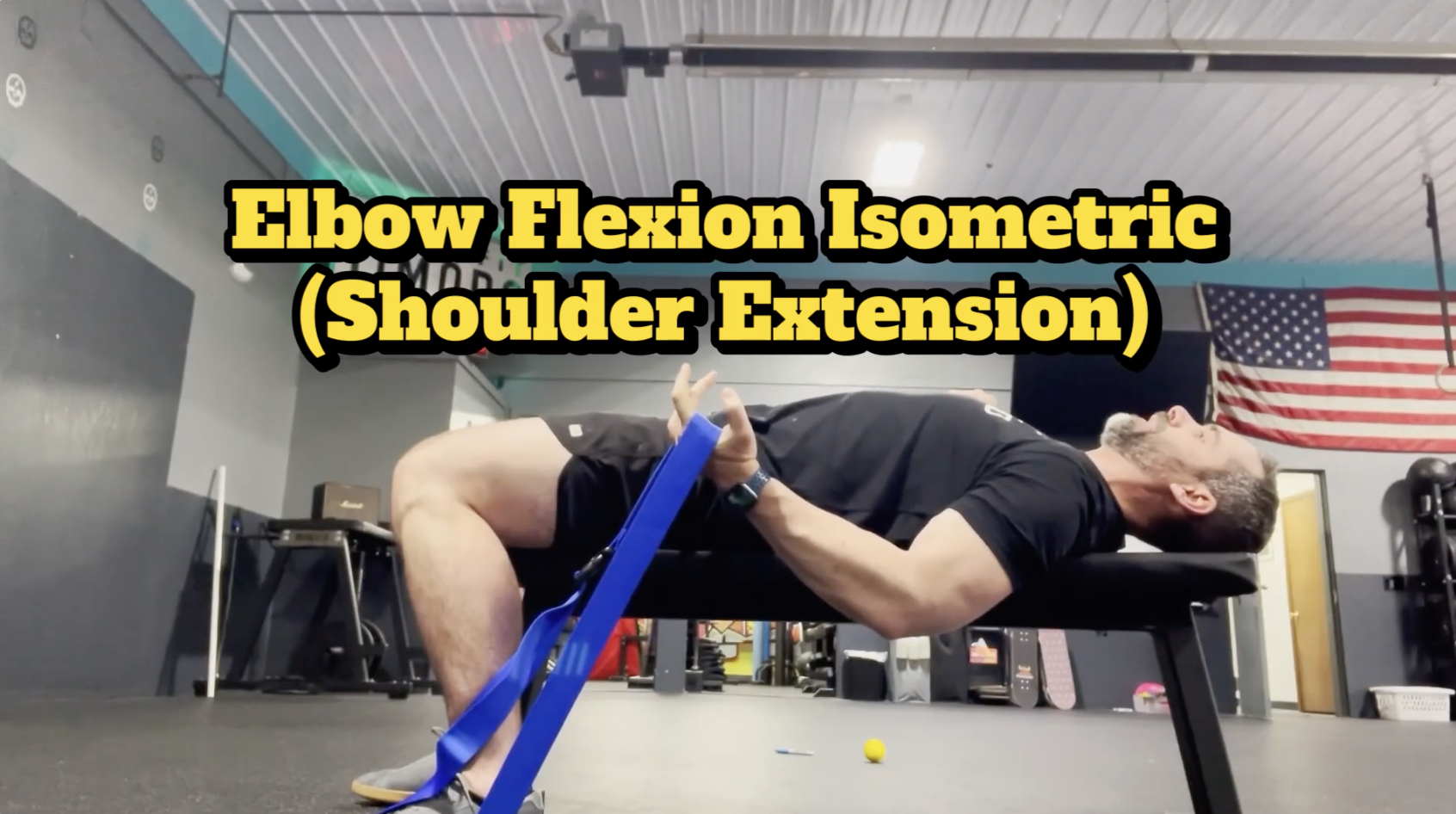
Phase 1: Isometric Exercises
Isometric exercises involve muscle contraction without movement.
Examples:
- Wall sits
- Planks
- Static calf raises
Benefits include:
- Pain reduction
- Early tendon loading
- Improved tolerance to exercise
Many people notice meaningful pain relief within 7–10 days.
Phase 2: Isotonic Exercises
Next, controlled movement is introduced.
Examples:
- Slow calf raises
- Slow squats
- Slow bicep curls
The emphasis is often placed on:
- Slow movement
- Controlled loading
- Progressive resistance
- Eccentric (lengthening) muscle contractions
This helps build tendon capacity.
Phase 3: Energy Storage Exercises
Once the tendon tolerates heavier loading, faster movements are introduced.
Examples:
- Jumping
- Hopping
- Bounding
- Explosive strength exercises
This stage prepares the tendon for athletic demands.
Phase 4: Sport-Specific Training
The final stage recreates the demands of the athlete's sport or activity.
Examples include:
- Sprinting for runners
- Cutting drills for soccer players
- Jumping drills for basketball players
The goal is to bridge the gap between rehabilitation and real-world performance.
Does Rest Help Tendonitis?
Rest can temporarily reduce pain. However, rest alone rarely solves chronic tendon problems.
Complete rest may:
✅ Reduce symptoms temporarily
❌ Decrease tendon capacity
❌ Delay return to activity
❌ Leads to recurring symptoms when exercise resumes
Most successful tendon rehabilitation programs include progressive loading rather than prolonged avoidance of activity.
Frequently Asked Questions About Tendonitis
Should I ice a tendon injury?
Ice may provide short-term symptom relief, especially if swelling is present. However, icing alone does not address the underlying tendon adaptations responsible for chronic tendon pain.
Are anti-inflammatory medications effective for tendonitis?
They may help reduce pain temporarily, but they do not correct the structural and loading issues commonly associated with chronic tendinopathy. Always consult a medical physician for questions regarding medication.
Can I exercise with tendon pain?
In many cases, yes. Appropriate exercise is often a critical part of recovery. The specific exercises, intensity, and progression should be individualized.
Why does my tendon feel better after warming up?
This is a common characteristic of tendon problems. Many athletes notice pain decreases during activity and returns afterward or the next day.
How long does tendon rehab take?
Recovery timelines vary based on:
- The tendon involved
- Severity of symptoms
- Duration of symptoms
- Activity demands
- Consistency with rehabilitation
Chronic tendon problems often require weeks to months of progressive loading.
When Should You See a Sports Medicine Professional?
If you've had tendon pain for more than a few weeks, or if previous treatment hasn't worked, it's worth seeking an evaluation from a provider experienced in sports medicine and tendon rehabilitation.
A proper assessment should answer two important questions:
#1) Is this truly a tendon problem?
#2) Is anything else contributing to the pain?
Getting the diagnosis right is the foundation of an effective treatment plan.
Key Takeaways
- Most chronic tendon pain is not simply a swelling problem.
- Tendon issues typically develop from overload over time.
- Rest alone is rarely enough for long-term recovery.
- Progressive loading is the cornerstone of successful tendon rehabilitation.
- Effective rehab usually progresses from isometric exercises to strength training, explosive movements, and eventually sport-specific activities.
- A proper diagnosis is essential before beginning treatment.
At Build Beyond Health, we help active people move from pain and frustration back to the activities they love through individualized rehabilitation and performance-based care. If tendon pain has been holding you back, a comprehensive evaluation can help determine the next best step.
Your Next Step Toward Lasting Results
If you are tired of temporary fixes and are ready for a provider who understands your athletic goals, Build Beyond Health in Hillsdale, MI offers the expert guidance, one-on-one attention, and performance-based environment you need to move forward with confidence.
Ready to stop settling and start building beyond your current limitations? Visit Build Beyond Health to schedule your discovery call or book your initial assessment.
